Restaurant SEO in Miami: menus, hours, reservations, and reviews.
Most restaurant searches are decided in the map results. Accurate details, a readable menu, and easy booking beat clever content every time.
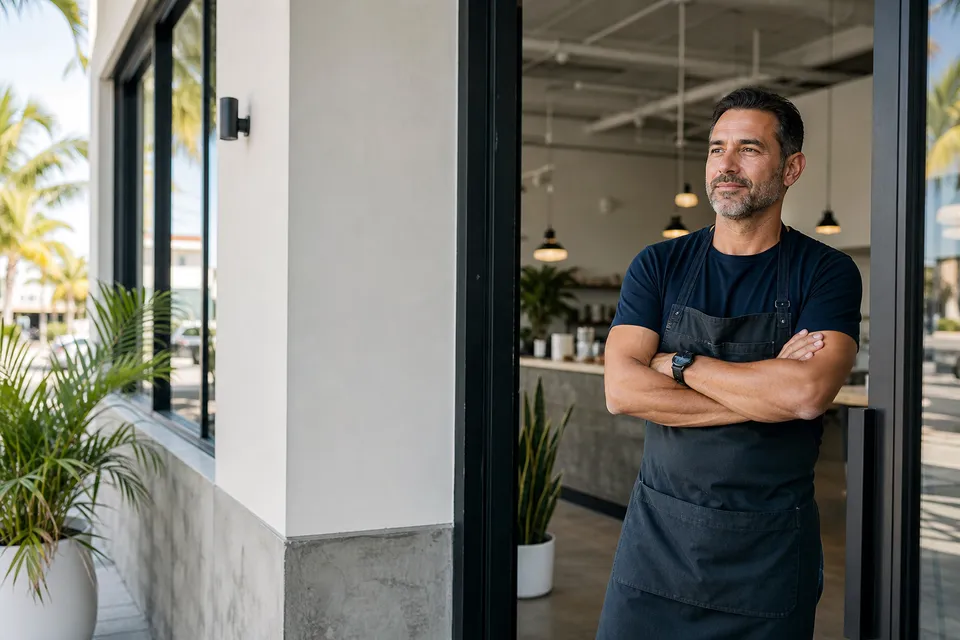
Restaurant search in Miami is fast and unforgiving. Someone standing on a corner in Brickell or driving through Doral decides in under a minute, usually from the map results, based on distance, rating, photos, and whether the place is open right now. Restaurant SEO is less about blog posts and more about making sure every fact a hungry person checks is accurate, visible, and easy to act on.
The map pack decides most visits
For dining searches, the map results and the Business Profile carry most of the weight. Google ranks those results by relevance, distance, and prominence, and for restaurants prominence is driven heavily by reviews, photos, and how complete the profile is. The website matters, but mostly as the destination for the menu, reservations, and confirmation that the place is what it looks like.
This means the highest-return work for a restaurant is unglamorous: categories, hours, menu, photos, reviews, and booking links. Get those right before spending on anything else.
Profile details that matter for restaurants
Choose the most specific primary category available, such as Cuban restaurant, seafood restaurant, or coffee shop, and add secondary categories only for things you genuinely are, like bar or bakery. Set regular hours and, separately, any different kitchen or bar hours in the description, then keep special hours current for holidays, private events, and storm closures. A profile that says open when the kitchen is closed generates the angriest reviews a restaurant receives.
Fill in attributes honestly: outdoor seating, reservations, delivery, takeout, dietary options, parking, accessibility, and payment types. Add the menu link, the reservation link, and the ordering link in the fields Google provides for them rather than burying them in a post. Our Business Profile checklist covers ownership, verification, and what to do when the profile misbehaves.
Publish a menu search engines can read
A menu posted as a PDF or a photo cannot be read reliably by search engines or by screen readers, and it is slow on a phone. Publish the menu as a normal web page with item names, short descriptions, and prices, grouped the way the printed menu is grouped. Keep it current; an outdated online price is a small betrayal that shows up in reviews.
Google supports structured data for restaurants, including a menu property that points to the menu page. Mark up the basics accurately: name, address, hours, cuisine, price range, and the menu URL. Do not mark up ratings you control. The structured data confirms what the page already says; it does not substitute for it.
Reservations and orders without losing the customer
Reservation and ordering platforms are useful, and Google can surface their booking buttons directly on the profile. The risk is that the restaurant becomes invisible behind them. Keep the restaurant’s own site as the primary destination, link to the booking or ordering tool from there, and make sure the phone number on the profile reaches a person during service.
For delivery, decide which platforms are worth the commission and list only those. A customer who orders from the website, or calls, is worth more than one routed through a marketplace, so make the direct path as easy as the marketplace path.
Reviews and photos are the product page
Diners read reviews for the dish names and the service story, and they look at photos to decide whether they will feel comfortable. Post real photos of the dining room, the food as it is actually served, the bar, and the entrance, and add new ones regularly. Customer photos will appear whether or not you add your own, so make sure the official ones set the standard.
Ask for reviews at the table or on the receipt with a link, never with a discount, and respond to all of them. A short reply to a complaint about a slow Friday night, acknowledging it and inviting the guest back, does more for the next reader than any marketing copy. Our review guide covers the routine and the rules.
Bilingual details and seasonal demand
A large share of Miami diners search and read in Spanish. State in the profile description and on the site that Spanish is spoken if it is, respond to Spanish reviews in Spanish, and consider a Spanish version of the menu page. Our guide to bilingual SEO in South Florida explains how to structure that without duplicating the site.
Miami demand is seasonal and event-driven. Winter visitors, Miami Spice, Art Basel week, and the cruise calendar change who is searching and what they search for. Update hours, menus, and special-event details ahead of those periods, and use profile posts for time-bound information such as holiday menus or private-event availability.
Website basics for restaurants
The site should load fast on a phone, show the address, hours, phone number, and reservation link without scrolling, and avoid autoplaying video or music. The menu page, the reservation path, and directions are the three things visitors want; everything else is secondary. Our guide on website speed explains what to test and what to fix.
Keep the address and hours in text, not in an image, so search engines and assistive tools can read them. If the restaurant has more than one location, give each its own page and its own profile rather than one page listing all of them.
Restaurant SEO checklist
- Specific primary category, honest attributes, and current regular and special hours.
- Menu, reservation, and ordering links in the profile fields Google provides.
- Menu published as a readable web page with prices, kept current.
- Accurate restaurant structured data pointing to the menu page.
- Own website as the primary destination for reservations and orders.
- Real, recent photos of the room, the food, and the entrance.
- Reviews requested with a link and answered, including complaints.
- Spanish-language details where Spanish service is offered.
- Hours and menus updated ahead of seasonal and event periods.
- Fast mobile site with address, hours, and booking visible immediately.
A restaurant that keeps these facts accurate will beat a competitor with better food and a stale profile. If covers are down despite good reviews, the leak is usually hours, menu, or booking friction. Request an audit and we will find it.
Questions we hear about this
Is a PDF menu bad for SEO?
It is a poor choice. PDFs and menu photos are hard for search engines and screen readers to parse and slow to load on phones. Publish the menu as a normal web page with prices and keep it current.
Do we need a website if we are on the delivery apps?
Yes. The website is where diners confirm hours, read the menu, and book or order without a marketplace commission. It also gives Google the detail that supports the profile.
How should we respond to a bad review about a busy night?
Briefly and without excuses. Acknowledge the wait, say what you are doing about it, and invite the guest back. Future readers judge the response more than the complaint.
Should we mention Spanish on our Google profile?
If staff can serve guests in Spanish, say so in the description and on the website, and answer Spanish reviews in Spanish. It is a real differentiator for many Miami diners.
Start with the bottleneck.
Share the page, market, or lead system that needs attention. We will identify the most useful place to begin.